Navigating a low-fat dietary approach can initially seem daunting, yet readily available printable food lists simplify the process considerably.
These resources offer practical guidance, helping individuals manage digestive discomfort and effectively reintroduce fats with appropriate support.
Utilizing categorized PDF charts, planning nutritious, flavorful, and satisfying low-fat meals becomes achievable for anyone prioritizing their health and wellness.
What is a Low-Fat Diet?
A low-fat diet strategically minimizes the consumption of dietary fats, aiming to reduce overall fat intake to a specific percentage of daily calories. While definitions vary, generally, it involves limiting fat to around 30% or less of total caloric intake, sometimes even lower for therapeutic purposes.
This approach isn’t about eliminating fats entirely, as some fats are essential for health. Instead, it emphasizes choosing lean protein sources, abundant fruits and vegetables, and whole grains. Printable low-fat food lists become invaluable tools, guiding individuals toward appropriate choices and helping them understand portion sizes.
Often, a low-fat diet is adopted short-term to address digestive issues, allowing the gut to rest and recover before carefully reintroducing fats alongside digestive support. These lists aid in symptom management, offering a clear framework for meal planning and grocery shopping, ensuring adherence to the dietary guidelines.
Benefits of a Low-Fat Diet
Adopting a low-fat diet, guided by readily available low-fat food lists, can yield several health advantages. Primarily, it supports weight management by reducing caloric density, making it easier to create a calorie deficit. Furthermore, it’s often recommended for individuals experiencing digestive discomfort, providing a temporary respite for the gut while allowing for targeted support.
Beyond weight and digestion, a low-fat approach, particularly when incorporating the DASH diet principles found in printable menus, can positively impact cardiovascular health. Lowering fat intake, especially saturated and trans fats, contributes to reduced cholesterol levels and blood pressure.
Utilizing PDF resources simplifies adherence, ensuring individuals can easily identify appropriate food choices. This proactive approach empowers individuals to take control of their health, fostering a sustainable lifestyle focused on nutritious, low-fat options.
Core Low-Fat Food Groups
Essential low-fat eating centers around fruits, vegetables, grains, lean proteins, and dairy alternatives, all detailed in helpful PDF food lists.
These groups form the foundation for a healthy, balanced diet.
Fruits: Low-Fat Options
Fruits naturally boast minimal fat content, making them a cornerstone of any low-fat diet, and comprehensive PDF food lists readily showcase excellent choices.
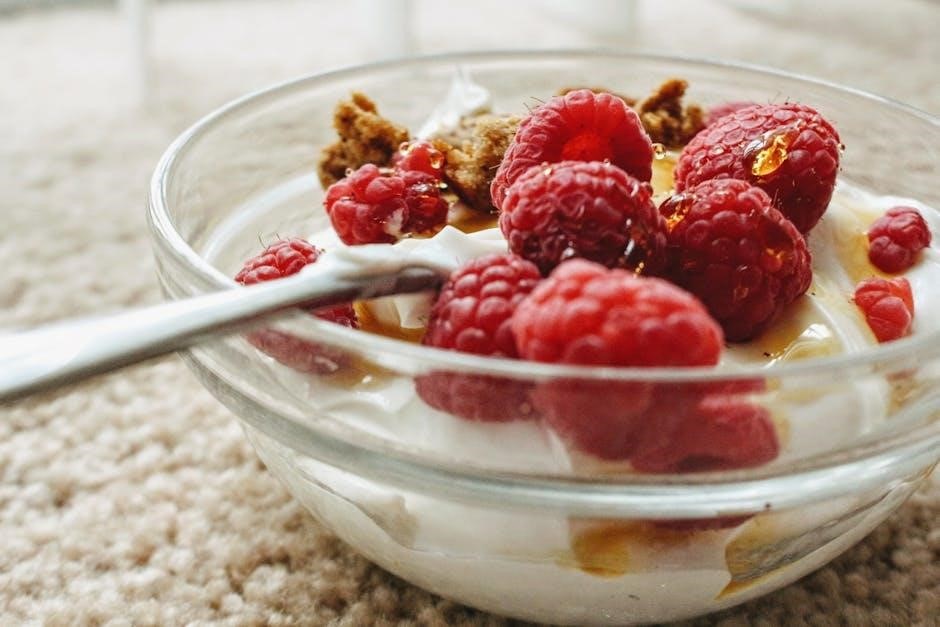
Enjoy a vibrant array of options like apples, bananas, berries (strawberries, blueberries, raspberries), oranges, peaches, and pears – all providing essential vitamins, minerals, and fiber.
These naturally sweet treats satisfy cravings without contributing significantly to fat intake.
PDF guides often categorize fruits by portion size, aiding in mindful consumption.
Consider incorporating fruits into breakfast smoothies, salads, or as a healthy dessert alternative.
Remember, while fruits are nutritious, moderation is key due to their natural sugar content; a low-fat food list PDF can help with portion control.
Prioritize whole fruits over juices to maximize fiber intake and minimize added sugars.
Vegetables: The Foundation of a Low-Fat Diet
Vegetables are undeniably the bedrock of a successful low-fat eating plan, and detailed PDF food lists highlight their incredible versatility.
From leafy greens like spinach and kale to cruciferous vegetables like broccoli and cauliflower, the options are virtually limitless.
Root vegetables such as carrots and sweet potatoes offer satisfying carbohydrates, while bell peppers and cucumbers provide refreshing crunch.
PDF resources often categorize vegetables, making meal planning simpler.
These nutrient-packed powerhouses are naturally low in fat and calories, contributing to feelings of fullness and overall well-being.
Embrace a rainbow of colors to ensure a diverse intake of vitamins and antioxidants.
Utilize various cooking methods – steaming, roasting, grilling – to enhance flavor without adding excess fat; a low-fat food list PDF can inspire creative recipes.
Grains: Choosing Low-Fat Varieties
Selecting the right grains is crucial when following a low-fat diet, and comprehensive PDF food lists serve as excellent guides.
Prioritize whole grains over refined options, as they offer more fiber and nutrients.
Brown rice, quinoa, oats, and barley are fantastic choices, providing sustained energy without the added fat.
PDF resources often detail portion sizes to help maintain a balanced intake.
Be mindful of added ingredients; avoid pre-seasoned or processed grain products that may contain hidden fats.
Whole-wheat bread and pasta can be included in moderation, but always check the nutrition label.
A well-structured low-fat food list PDF will highlight these healthier alternatives, empowering you to make informed decisions and enjoy satisfying meals.
Proteins: Lean Choices for a Low-Fat Lifestyle
Incorporating lean protein sources is essential for a healthy low-fat diet, and a detailed PDF food list can be incredibly helpful.
Fish, particularly white fish like cod or haddock, are excellent choices due to their low fat content and omega-3 fatty acids.
Skinless poultry, such as chicken or turkey breast, provides a lean protein boost.
PDF guides often categorize protein options, making meal planning simpler.
Beans, lentils, and tofu are plant-based protein sources that are naturally low in fat.
When consuming red meat, opt for lean cuts and trim any visible fat.
A comprehensive low-fat food list PDF will clearly indicate suitable protein portions, supporting your dietary goals and overall well-being.
Dairy & Alternatives: Low-Fat and Non-Fat Selections
Selecting low-fat or non-fat dairy and alternatives is crucial when following a low-fat diet, and a PDF food list simplifies this process.
Opt for skim milk, 1% milk, or unsweetened plant-based milks like almond, soy, or oat milk.
Non-fat or low-fat yogurt, particularly Greek yogurt, provides protein and calcium with minimal fat.
PDF resources often detail portion sizes for dairy and alternatives, aiding in accurate tracking.
Choose reduced-fat cheeses sparingly, as even these can contain significant fat.
Explore dairy-free alternatives like tofu-based creams or cashew-based cheeses for variety.
A detailed low-fat food list PDF will clearly outline acceptable dairy and alternative options, supporting your dietary needs and promoting a heart-healthy lifestyle.
Detailed Low-Fat Food List
Comprehensive PDF food lists categorize low-fat options by type and portion size, offering a clear guide for meal planning and informed grocery shopping.
Low-Fat Fruits (PDF Focus)
PDF lists dedicated to low-fat fruits are invaluable resources, showcasing a vibrant spectrum of naturally sweet and nutritious choices. These downloadable guides typically highlight fruits inherently low in fat content, making them cornerstones of a healthy, low-fat diet.
Expect to find abundant recommendations for apples, berries (strawberries, blueberries, raspberries), citrus fruits (oranges, grapefruits, lemons, limes), melons (watermelon, cantaloupe, honeydew), and stone fruits (peaches, plums, cherries).
These PDFs often detail serving sizes to aid in portion control and provide a quick reference for grocery shopping. They empower individuals to easily incorporate these delicious and beneficial fruits into their daily meals and snacks, supporting weight management and overall well-being. The convenience of a printable format ensures accessibility whenever and wherever needed.
Low-Fat Vegetables (PDF Focus)
Low-fat vegetable PDF lists are essential tools for anyone embracing a healthier eating pattern, offering a comprehensive guide to nature’s naturally lean options. These resources emphasize that most vegetables are inherently very low in fat, making them the foundational building blocks of a low-fat diet.
You can anticipate finding extensive lists including leafy greens (spinach, kale, lettuce), cruciferous vegetables (broccoli, cauliflower, cabbage), root vegetables (carrots, potatoes, beets), and colorful options like bell peppers, tomatoes, and cucumbers.
These PDFs often categorize vegetables for easy meal planning and may suggest preparation methods that maintain their nutritional value. Having a printable guide readily available simplifies grocery shopping and encourages consistent consumption of these vital, health-promoting foods, supporting both weight management and heart health.
Low-Fat Grains & Starches (PDF Focus)
Low-fat grains and starches PDF lists are invaluable for building balanced, satisfying meals while adhering to a reduced-fat dietary plan. These resources highlight that while grains and starches provide essential carbohydrates, careful selection is key to minimizing fat intake.
Expect to find recommendations for whole grains like brown rice, quinoa, oats, and barley, as well as starchy vegetables such as potatoes (prepared without added fats) and sweet potatoes. PDF guides often emphasize portion control and suggest limiting refined grains like white bread and pasta.
A printable chart simplifies identifying low-fat options and incorporating them into your meal plan, supporting weight management and overall health. These lists are designed to help you fuel your body with nutritious carbohydrates without compromising your low-fat goals.
Low-Fat Protein Sources (PDF Focus)
PDF lists focusing on low-fat protein sources are crucial for maintaining muscle mass and satiety while following a reduced-fat diet. These guides emphasize lean protein choices that contribute to overall health without adding excessive fat to your meals.
You’ll typically find recommendations for skinless poultry (chicken and turkey breast), fish (especially white fish and salmon – prepared without frying), beans, lentils, and tofu. Lean cuts of beef and pork are also sometimes included, but portion control is vital.
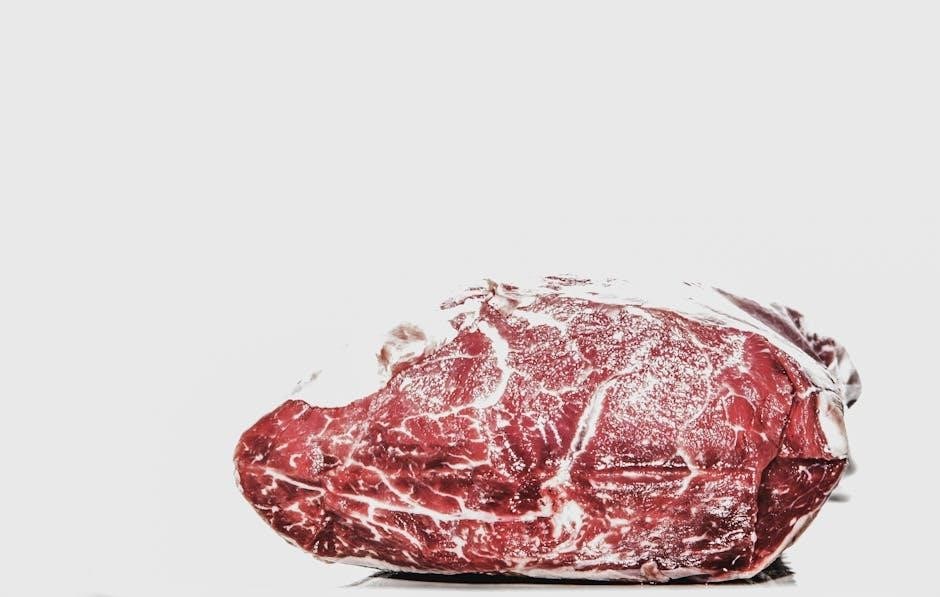
A printable chart clearly outlines these options, often including serving sizes, making meal planning straightforward. These resources support weight management, heart health, and provide essential nutrients, ensuring a balanced and effective low-fat eating plan.
Low-Fat Dairy & Alternatives (PDF Focus)
PDF lists dedicated to low-fat dairy and alternatives are essential for calcium intake while minimizing fat consumption. These resources highlight options like skim milk, non-fat yogurt (plain is best to avoid added sugars), and reduced-fat cheeses in moderation.
Increasingly, plant-based alternatives are featured prominently, including almond milk, soy milk, and oat milk – often fortified with calcium and vitamin D. These provide excellent substitutes for those with lactose intolerance or seeking further fat reduction.
A printable guide will typically detail specific fat content per serving, aiding informed choices. These resources support bone health and overall well-being, seamlessly integrating into a comprehensive low-fat dietary approach.
Understanding Food Labels for Low-Fat Choices
Decoding nutrition facts panels and identifying hidden fats are crucial skills, especially when utilizing a low-fat food list PDF for informed grocery shopping.
Reading Nutrition Facts Panels
Effectively utilizing a low-fat food list PDF requires a solid understanding of nutrition facts panels. Begin by checking the serving size, as all values are based on this amount. Next, focus on the “Total Fat” content per serving; aim for options with minimal fat grams.
Pay close attention to the breakdown of fats – saturated and trans fats should be kept as low as possible, as these are less healthy. Also, scrutinize the ingredients list for hidden fats like oils, shortening, or creamy components. Remember that “fat-free” or “low-fat” doesn’t automatically equate to healthy; always consider the overall nutritional profile.
Comparing similar products side-by-side allows for informed choices. A PDF list can be a handy reference while navigating the grocery store, but knowing how to interpret the label empowers you to make the best decisions for your health.
Identifying Hidden Fats
Even when utilizing a low-fat food list PDF, hidden fats can sabotage your efforts. Many processed foods contain fats not immediately obvious from the packaging. Be wary of terms like “hydrogenated” or “partially hydrogenated” oils, indicating trans fats – avoid these entirely.
Look beyond the “Total Fat” figure; ingredients lists reveal more. Watch for added oils (vegetable, canola, olive), butter, shortening, cream, and even seemingly innocuous ingredients like flour (sometimes contains added fats). Sauces, dressings, and marinades are frequent culprits, often loaded with hidden fats.
Remember that “low-fat” versions may compensate for flavor loss with added sugars or sodium. A PDF guide is helpful, but diligent label reading is crucial to uncover these sneaky fat sources and maintain a truly low-fat diet.

Sample Meal Plan (Low-Fat)
Leveraging a low-fat food list PDF, crafting delicious and nutritious meals is simple! Explore DASH diet menus featuring whole foods for optimal health.
Enjoy fruits, vegetables, lean proteins, and low-fat dairy options.
Breakfast Ideas
Starting your day with a low-fat breakfast, guided by a comprehensive low-fat food list PDF, sets a positive tone for healthy eating. Consider oatmeal prepared with water or skim milk, topped with berries – a fantastic source of antioxidants and fiber.
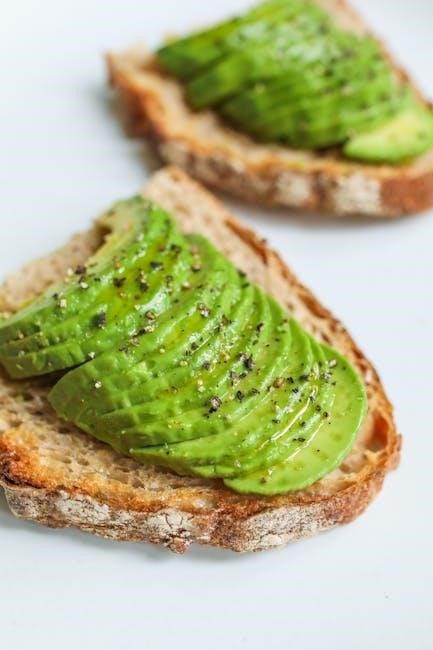
Another excellent option is a whole-wheat toast with a thin spread of avocado and a side of sliced grapefruit. For a protein boost, incorporate a small serving of egg whites scrambled with spinach and mushrooms. Smoothies are also a convenient choice; blend low-fat yogurt, fruit, and a handful of spinach for a nutrient-packed start.
Remember to prioritize whole, unprocessed foods and avoid adding excessive sugars or fats. Utilizing a PDF list ensures you’re making informed choices, aligning with your low-fat dietary goals and supporting overall well-being. These simple breakfast ideas are both satisfying and contribute to a healthier lifestyle.
Lunch Ideas
Crafting a low-fat lunch, aided by a detailed low-fat food list PDF, doesn’t mean sacrificing flavor or satisfaction. A large salad featuring mixed greens, grilled chicken or fish, and a variety of colorful vegetables is an excellent choice. Opt for a light vinaigrette dressing instead of creamy options.
Whole-wheat sandwiches filled with lean turkey or chicken breast, lettuce, tomato, and mustard are another convenient option. Pair your sandwich with a side of carrot sticks or a small piece of fruit. Soups, particularly vegetable-based or broth-based varieties, can also be a filling and healthy lunch.
Always consult your PDF list to ensure ingredients align with your dietary needs. Prioritize lean proteins, whole grains, and plenty of fresh produce for a nutritious and energizing midday meal, supporting your overall health goals.
Dinner Ideas
Leveraging a low-fat food list PDF, creating delicious and healthy dinners is surprisingly simple. Baked or grilled fish, such as salmon or cod, paired with steamed vegetables and a small portion of brown rice, provides a complete and satisfying meal. Chicken breast, prepared without skin, is another excellent lean protein source.
Consider stir-fries using lean protein and a variety of colorful vegetables, seasoned with low-sodium soy sauce or herbs. Lentil or bean-based soups and stews are hearty and filling options, packed with fiber and nutrients.
Remember to check your PDF guide for appropriate portion sizes and ingredient choices. Focus on whole, unprocessed foods to maximize nutritional benefits and support your low-fat dietary goals, promoting both health and enjoyment.
Resources & Printable PDF Lists
Downloadable PDF lists categorize low-fat foods by type and portion, aiding meal planning and label reading for effective dietary management.
Access DASH diet menus for nutritious, whole-food meal ideas supporting heart health and blood pressure regulation.
Where to Download Low-Fat Food Lists (PDF)
Finding comprehensive low-fat food lists in PDF format is easier than ever, offering a convenient way to plan meals and manage your diet effectively. Several online resources provide categorized lists, breaking down options by food group – fruits, vegetables, grains, proteins, and dairy alternatives.
These PDF downloads often include portion size recommendations, making it simpler to track your fat intake and ensure balanced nutrition. Look for resources that also detail foods to enjoy and those to limit, providing a clear framework for making healthy choices.
Furthermore, websites dedicated to the DASH diet frequently offer downloadable meal plans and accompanying food lists, specifically designed to promote heart health and lower blood pressure, aligning perfectly with low-fat eating principles. These resources are invaluable for anyone seeking a structured approach to a low-fat lifestyle.
Remember to prioritize lists that are regularly updated and based on current nutritional guidelines for the most accurate and reliable information.
DASH Diet & Low-Fat Eating
The Dietary Approaches to Stop Hypertension (DASH) diet shares significant overlap with low-fat eating principles, making it a powerful tool for improving overall health. DASH menus emphasize whole foods – fruits, vegetables, fish, poultry, lean meats, beans, nuts, whole grains, and low-fat dairy – naturally reducing fat intake.
Utilizing DASH-approved meal plans, often available as downloadable PDF resources, provides a structured framework for incorporating low-fat foods into your daily routine. These plans are designed to lower blood pressure and cholesterol levels while providing sustained energy and satiety.
The synergy between the DASH diet and a low-fat approach lies in their shared focus on nutrient-dense foods and the limitation of processed items, saturated fats, and added sugars. Accessing printable DASH menus and food lists simplifies meal planning and ensures adherence to these beneficial dietary guidelines.
Consider the DASH diet as a comprehensive strategy for adopting a sustainable and heart-healthy low-fat lifestyle.
Tips for Success on a Low-Fat Diet
Employing a printable low-fat food list during grocery shopping and meal preparation streamlines adherence, ensuring informed choices and dietary success.
Grocery Shopping Strategies
Prior to your grocery trip, arm yourself with a printable low-fat food list – a crucial tool for navigating the supermarket aisles effectively. Focus on perimeter sections, brimming with fresh produce, lean proteins, and low-fat dairy options.
Carefully scrutinize nutrition labels, becoming adept at identifying hidden fats and prioritizing items with minimal saturated and trans fats. Utilize the PDF list as a quick reference guide, cross-referencing products to ensure alignment with your dietary goals.
Plan meals in advance, creating a detailed shopping list based on your chosen recipes. This proactive approach minimizes impulse purchases of higher-fat alternatives. Remember to favor whole, unprocessed foods whenever possible, as they naturally tend to be lower in fat content.
Don’t shop when hungry, as cravings can lead to less-than-ideal choices. A well-prepared shopper, equipped with knowledge and a list, is a successful shopper!
Cooking Methods for Low-Fat Meals
Embrace cooking techniques that minimize added fats, transforming your low-fat food list into delicious and satisfying meals. Steaming, grilling, baking, broiling, and poaching are excellent choices, preserving flavors without relying on excessive oil.
When sautéing, use vegetable broth or water instead of oil, and opt for non-stick cookware to further reduce fat requirements. Utilize herbs, spices, and citrus juices to enhance flavor profiles, diminishing the need for fatty sauces or dressings.
Refer to your printable PDF list for inspiration, focusing on recipes that highlight the natural tastes of lean proteins, vibrant vegetables, and whole grains. Trim visible fat from meats before cooking, and drain off any excess fat during the process.
Remember, mindful cooking is key – small adjustments can significantly impact the overall fat content of your meals, supporting a healthier lifestyle.