Understanding the delicate balance of Yin and Yang through dietary choices is a cornerstone of Traditional Chinese Medicine.
This chart serves as a practical guide, offering insights into food energetics and promoting overall wellness.
Discover how a Yin Yang food chart PDF can empower you to harmonize your body’s internal environment, fostering vitality and resilience.
What is the Yin Yang Food Chart?
The Yin Yang Food Chart is a foundational tool within Traditional Chinese Medicine (TCM) nutrition, visually categorizing foods based on their energetic properties. It’s not simply about nutritional content, but rather how foods affect the body’s Qi (vital energy) and balance of Yin and Yang. A readily available Yin Yang food chart PDF provides a convenient reference for understanding these energetics.
Foods are classified as Yin (cooling, moistening), Yang (warming, drying), or Neutral. This classification isn’t fixed; it considers a food’s growing conditions, flavor, and physiological effects. For example, bananas and watermelon are generally considered Yin, while spices and lamb are Yang.
A Yin Yang food chart PDF isn’t a rigid dietary prescription, but a guide to help individuals tailor their diet to their specific constitution and seasonal needs. It encourages mindful eating, promoting harmony within the body and supporting optimal health. Utilizing such a chart empowers individuals to make informed food choices.
The Principles of Yin and Yang in Nutrition
The core principle revolves around maintaining equilibrium between Yin and Yang within the body. Yin represents qualities like coolness, passivity, and inward energy, while Yang embodies warmth, activity, and outward energy. A Yin Yang food chart PDF illustrates how different foods contribute to these energies.
In nutritional terms, consuming predominantly Yin foods can lead to feelings of sluggishness and coldness, while an excess of Yang foods might manifest as inflammation or overheating. The ideal diet balances both, adapting to individual needs and external factors like the season.
A helpful Yin Yang food chart PDF doesn’t dictate strict rules, but rather encourages awareness. It highlights how food choices impact the body’s energetic state, promoting mindful eating. Understanding these principles allows for personalized dietary adjustments, supporting optimal digestion, energy levels, and overall well-being.

Understanding Food Energetics
Food energetics, detailed in a Yin Yang food chart PDF, classifies foods by their thermal nature: hot, warm, neutral, cool, and cold, influencing bodily functions.
Hot Foods: Characteristics and Examples
Hot foods, as detailed within a comprehensive Yin Yang food chart PDF, are characterized by their warming properties, stimulating circulation and boosting energy. They are often associated with invigorating the body and combating coldness or deficiency. These foods tend to be pungent or spicy, and can help to dispel dampness.
Examples of foods categorized as ‘hot’ include a variety of spices like chili peppers, ginger, and cinnamon. Certain proteins, such as lamb and beef (especially when cooked with warming spices), also fall into this category. Additionally, some warming vegetables like garlic and onions contribute to this energetic profile.
Consuming hot foods is particularly beneficial during colder months or for individuals experiencing cold-related symptoms. However, moderation is key, as excessive intake can lead to imbalances. A Yin Yang food chart PDF provides a valuable reference for understanding appropriate portions and combinations.
Cold Foods: Characteristics and Examples
Cold foods, as illustrated in a detailed Yin Yang food chart PDF, possess cooling properties that can help to clear heat, reduce inflammation, and nourish Yin. They are often refreshing and hydrating, making them ideal for warmer weather or individuals experiencing symptoms of excess heat. These foods generally have a light, watery texture.

Examples of foods classified as ‘cold’ include many fruits like watermelon, pears, and bananas. Vegetables such as lettuce, cucumbers, and spinach also fall into this category. Additionally, certain seafood, like crab and oysters, are considered cooling. Beverages like green tea and coconut water contribute to this energetic profile.
While beneficial for cooling the body, excessive consumption of cold foods can weaken digestion and exacerbate cold-related conditions. A Yin Yang food chart PDF offers guidance on balancing these foods with warming options to maintain overall harmony.
Warm Foods: Characteristics and Examples
Warm foods, as detailed within a comprehensive Yin Yang food chart PDF, gently nourish and tonify the body, promoting circulation and aiding digestion. They aren’t intensely heating, but offer a sustained, comforting warmth. These foods are particularly beneficial during transitional seasons or for individuals with weakened digestive systems.
Examples of warm foods include cooked grains like rice and oats, root vegetables such as sweet potatoes and carrots, and certain types of poultry. Soups and stews, especially those with warming spices, are also considered warm. Many cooked vegetables, like pumpkin and squash, fall into this category.
A Yin Yang food chart PDF emphasizes that warm foods support the spleen and stomach, enhancing nutrient absorption. While generally beneficial, moderation is key, as excessive warmth can potentially create imbalances.
Cool Foods: Characteristics and Examples
Cool foods, as illustrated in a detailed Yin Yang food chart PDF, possess a naturally cooling energy, helping to clear heat and nourish Yin. They are particularly valuable during warmer months or for individuals experiencing symptoms of excess heat, such as inflammation or dryness. These foods don’t create a chilling sensation, but rather a gentle, refreshing effect.
Examples of cool foods include many fruits like pears, melons, and bananas, as well as vegetables like lettuce, cucumbers, and spinach. Tofu and seaweed also fall into this category. Herbal teas, particularly those made with chrysanthemum or mint, are considered cooling.
A Yin Yang food chart PDF highlights that cool foods can help moisten the body and support kidney function. However, excessive consumption may weaken digestion, so balance is crucial.
Neutral Foods: Characteristics and Examples
Neutral foods, as detailed in a comprehensive Yin Yang food chart PDF, are considered balanced and don’t strongly lean towards either Yin or Yang. They are foundational for a healthy diet, providing nourishment without significantly impacting the body’s internal temperature. These foods are generally well-tolerated by most individuals and can be consumed year-round.
Examples commonly found on a Yin Yang food chart PDF include most grains like rice and oats, root vegetables such as potatoes and carrots, and certain proteins like chicken and turkey. Olive oil and small amounts of dairy can also be considered neutral.
These foods generally tonify Qi and Blood, harmonizing Yin and Yang. They serve as a stable base for building a balanced diet, allowing for the strategic inclusion of warming or cooling foods as needed.

Yin Foods: A Detailed Look
Exploring Yin foods, as outlined in a Yin Yang food chart PDF, reveals cooling properties that nourish and hydrate.
These foods are often associated with downward energy and are beneficial for calming the body.
Fruits Considered Yin
Delving into the realm of Yin fruits, as detailed within a comprehensive Yin Yang food chart PDF, unveils a selection known for their cooling and hydrating qualities. These fruits generally possess a higher water content and are believed to nourish the body’s fluids, promoting internal balance.
Commonly categorized Yin fruits include bananas, celebrated for their gentle sweetness and potassium richness, and watermelons, exceptionally hydrating during warmer months. Apples and pears, with their crisp textures, also fall into this category, offering a subtle sweetness and aiding digestion. Grapes, in their various hues, contribute to this Yin profile, alongside melons like cantaloupe and honeydew, providing refreshing nourishment.
It’s important to remember that the intensity of Yin can vary; for example, grapefruit, while still considered Yin, may have a slightly more balancing effect compared to watermelon; Utilizing a Yin Yang food chart PDF allows for nuanced dietary choices, tailored to individual needs and seasonal considerations.
Vegetables Considered Yin
Exploring the Yin vegetable category, as presented in a detailed Yin Yang food chart PDF, reveals a diverse range of produce known for their cooling and grounding properties. These vegetables typically aid in hydrating the body and supporting digestive health, contributing to overall balance.
Prominent examples include spinach and lettuce, leafy greens celebrated for their nutrient density and gentle cooling effect. Cucumbers, with their high water content, are exceptionally refreshing, while bamboo shoots offer a unique texture and subtle sweetness. Sprouts, in their various forms, also fall into this Yin classification, providing concentrated nutrients and vitality.
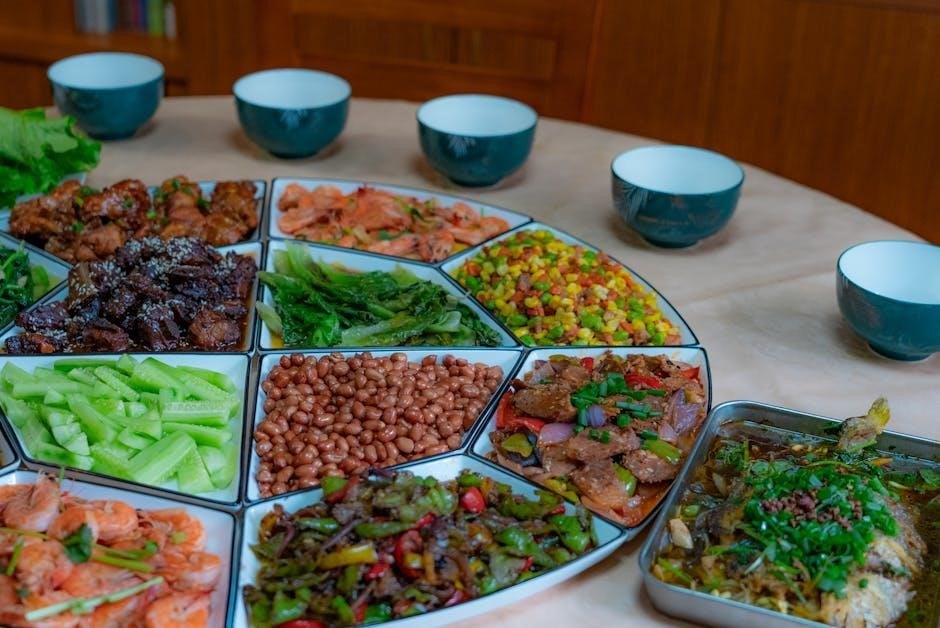
Understanding that Yin vegetables generally support the body’s fluids and aid in detoxification, a Yin Yang food chart PDF becomes an invaluable tool. It allows for informed dietary choices, particularly beneficial during warmer seasons or for individuals experiencing internal heat. Careful consideration of these properties promotes harmonious well-being.
Other Yin Food Categories
Beyond fruits and vegetables, a comprehensive Yin Yang food chart PDF details several other food categories leaning towards Yin energetics. These encompass a range of options, offering diverse ways to incorporate cooling and nourishing elements into your diet.
Dairy products, such as milk and yogurt (especially when unflavored and unsweetened), are generally considered Yin, providing hydration and a calming effect. Seaweed, rich in minerals, also falls into this category, supporting thyroid function and overall vitality. Tofu and other soy-based products, particularly when lightly prepared, contribute to the Yin balance.
Furthermore, certain herbs and teas, like chrysanthemum and peppermint, possess cooling properties. A well-structured Yin Yang food chart PDF will illustrate these nuances, enabling you to make informed choices. Recognizing these additional Yin sources allows for a more holistic approach to dietary harmony and well-being.

Yang Foods: A Detailed Look
A Yin Yang food chart PDF reveals that Yang foods are warming and energizing.
They boost metabolism and circulation, providing vital force and supporting robust health and vitality.
Proteins Considered Yang
According to a comprehensive Yin Yang food chart PDF, proteins generally lean towards the Yang side of the energetic spectrum. This is because they are considered building and warming substances within the body, contributing to strength and vitality. Red meats, such as beef and lamb, are firmly categorized as Yang, providing substantial energy and warmth.
Poultry, particularly chicken and duck, also falls into this category, though often considered moderately Yang compared to red meats. Fish, especially warmer water varieties, tend to be Yang as well, offering a lighter yet still energizing protein source. Eggs, too, are generally classified as Yang, providing nourishment and bolstering the body’s energy reserves.
It’s important to note that preparation methods can influence a protein’s energetic properties; grilling or roasting enhances its Yang nature, while boiling may slightly temper it. Understanding these nuances, as detailed in the chart, allows for a more personalized and balanced dietary approach.
Spices & Seasonings Considered Yang
A Yin Yang food chart PDF consistently identifies most spices and seasonings as possessing Yang energy, due to their warming and stimulating properties. These potent additions invigorate the digestive system and enhance circulation. Ginger, a cornerstone of Traditional Chinese Medicine, is powerfully Yang, renowned for its ability to dispel cold and boost energy.
Similarly, cinnamon, cloves, and nutmeg are categorized as strongly Yang, adding warmth and depth to dishes. Chili peppers, unsurprisingly, are also firmly in the Yang camp, providing a fiery kick and promoting circulation. Garlic and onions, while pungent, contribute Yang energy by clearing stagnation and supporting the immune system.
Even black pepper, commonly used in cooking, is considered Yang. Utilizing these spices thoughtfully, guided by the chart, can help balance cooler, Yin-dominant meals and support overall vitality.
Other Yang Food Categories
A Yin Yang food chart PDF reveals that beyond proteins and spices, several other food categories lean heavily towards Yang energetics. These foods generally possess warming qualities and tend to build energy. Red meats, like beef and lamb, are typically classified as Yang, providing substantial nourishment and grounding energy.
Fermented foods, such as miso and tamari, also fall into the Yang category, as the fermentation process generates heat and enhances digestibility. Certain oils, particularly those extracted from warming seeds like sesame, are considered Yang, adding richness and vitality to meals.
Additionally, foods that have been cooked using dry heat methods – roasting, frying, or grilling – tend to become more Yang. Understanding these nuances, as detailed in a comprehensive Yin Yang food chart PDF, allows for a more informed and balanced dietary approach.
Applying the Chart to Your Diet
Utilizing a Yin Yang food chart PDF empowers personalized nutrition, balancing internal energies.
Adapt your meals to seasonal changes and individual needs, promoting optimal health and vitality through mindful eating.

Balancing Yin and Yang for Optimal Health
Achieving harmonious health hinges on balancing Yin and Yang energies within the body, and a Yin Yang food chart PDF is an invaluable tool in this pursuit.
The principle isn’t about rigid restriction, but rather mindful inclusion – ensuring a diverse diet that incorporates both cooling Yin foods and warming Yang foods.
Consider your individual constitution and the prevailing season. Those with a “hot” constitution, exhibiting symptoms like inflammation or irritability, may benefit from emphasizing Yin foods like fruits and vegetables. Conversely, individuals feeling cold, fatigued, or sluggish might lean towards Yang-nourishing proteins and spices.
A PDF chart facilitates informed choices, allowing you to tailor your meals to address specific imbalances.
It’s about creating a dynamic equilibrium, not adhering to strict rules.
Remember, the goal is to support the body’s natural ability to maintain homeostasis, fostering long-term vitality and resilience through balanced nutrition.
Seasonal Eating and Yin Yang Principles
Traditional Chinese Medicine deeply connects our diet to the rhythms of nature, aligning with Yin Yang principles. A Yin Yang food chart PDF becomes particularly potent when integrated with seasonal eating.
Summer, a Yang season, calls for cooling Yin foods – think watermelons, cucumbers, and leafy greens – to counterbalance the external heat.
Conversely, winter, a Yin season, benefits from warming Yang foods like root vegetables, hearty soups with warming spices, and nourishing proteins to build internal heat and resilience against the cold.
Spring and Autumn represent transitional phases, requiring a more balanced approach.
Utilizing a PDF chart helps navigate these shifts, providing guidance on selecting foods that harmonize with the season’s energy.
This mindful approach not only supports digestion but also strengthens the body’s connection to the natural world, promoting optimal health and well-being throughout the year.

Common Misconceptions About the Chart
Many believe the Yin Yang food chart PDF is solely for Chinese cuisine, but it’s a universal energetic guide applicable to all foods, offering dietary flexibility.
Is the Chart Limited to Chinese Cuisine?
A prevalent misconception surrounding the Yin Yang food chart PDF is that its application is restricted to traditional Chinese culinary practices. However, this understanding fundamentally misses the core principle upon which the chart is built: the energetic properties of food itself. The concepts of Yin and Yang aren’t tied to geographical origin or specific recipes, but rather to the inherent qualities of ingredients – their warming or cooling effects on the body.
While the chart often illustrates examples from Chinese cuisine, it’s designed as a universal tool. You can apply these principles to analyze any food, from a Western salad to an Indian curry. A Yin Yang food chart PDF helps you understand whether a food tends to generate heat (Yang) or coolness (Yin) within your system, regardless of its cultural context. Therefore, it’s a versatile guide for anyone seeking to balance their diet based on energetic needs, not just those adhering to a specific cuisine.
The Chart as a Guideline, Not a Strict Rule
It’s crucial to approach a Yin Yang food chart PDF as a flexible guideline, rather than an inflexible set of dietary rules. Individual constitutions, seasonal variations, and even emotional states can influence how a food affects you. What might be considered a Yang food for one person could have a different effect on another, depending on their inherent energy balance.
The chart provides a valuable framework for understanding food energetics, but it’s not meant to induce rigidity or anxiety around food choices. Listen to your body’s signals and adjust your intake accordingly. A Yin Yang food chart PDF is a tool for self-awareness, empowering you to make informed decisions that support your unique needs. Don’t be afraid to experiment and observe how different foods make you feel – this personalized approach is key to unlocking the chart’s full potential.

Resources for a Yin Yang Food Chart PDF
Numerous online resources offer downloadable Yin Yang food chart PDFs to aid your journey towards balanced eating. Easy Feng Shui provides a comprehensive chart, focusing on maintaining dietary harmony. Alban Acupuncture offers insightful blog posts exploring Chinese Medicine Nutrition principles, complementing the chart’s understanding. Herbsmith, Inc. provides food energetics charts, detailing how neutral foods tonify Qi and harmonize Yin and Yang.
A quick internet search for “Yin Yang food chart PDF” will reveal various options, each with slightly different categorizations. Remember to cross-reference information and choose a chart that resonates with your understanding of the principles. Explore resources from reputable Traditional Chinese Medicine practitioners for accurate and nuanced guidance. Utilizing these PDF resources empowers you to integrate this ancient wisdom into your daily life, fostering optimal health and wellbeing.